Day 21 of 30
Dana
દાન
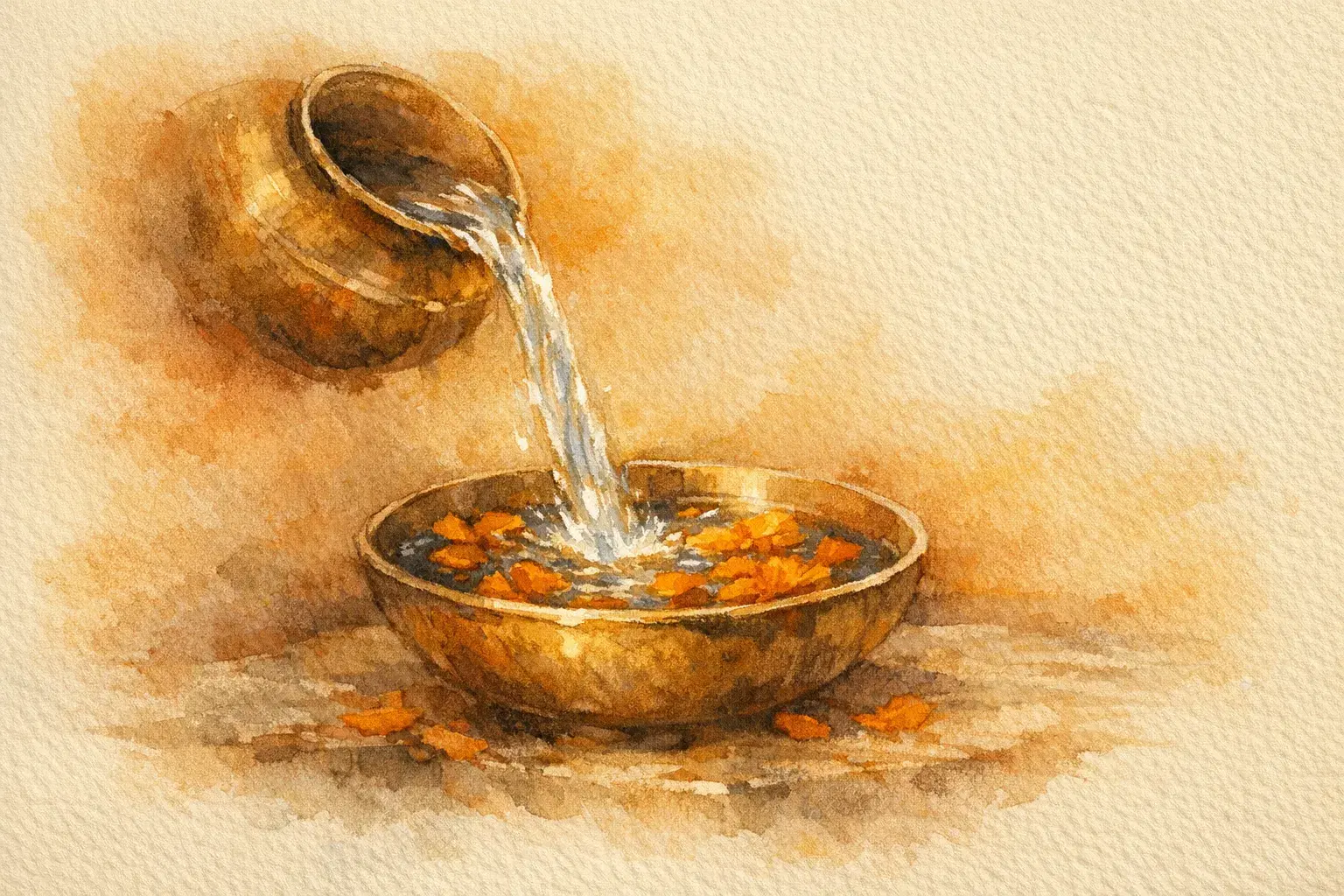
The sacred act of giving
June 6, 2026
No group chat — just daily stories. Or open WhatsApp → Updates → search “AdhikMaas”.
Our Shastras have always sung the glory of Dana (giving). During Parvas, festivals, Sankranti, Ekadashi, eclipses, and especially during sacred months like Shravan, Magshar, and Adhik Maas, the call to give is made with special insistance.
Dana means to relinquish one's authority over something and to establish another's claim upon it. Dana is essential for a society to maintain balance, equality, and goodwill.
दानं संविभागः
Dana is the equal sharing of what one has.
Taxation, too aims to redistribute from the prosperous to the needy through government channels. But in taxation, the giver finds no peace of heart. The receiver feels no gratitude. And by the time the resources trickle down from top to bottom — well, everyone knows how much of that block of ice melts along the way. The heat of corruption and bureaucratic tangles reduces it to almost nothing before it reaches those who need it most.
The True Spirit of Giving
Regarding Dana, the saintly poet Makrand Dave offers this wisdom: humility is not weakness, poverty is not wretchedness, ownership is not greatness, success is not attainment, and to be emptied out is not loss.
True Dana is that in which the giver does not become inflated — is not afflicted by the knot of pride. And the receiver does not become obliged or burdened — is not tormented by the knot of inferiority.
The wealth you give in Dana — you are not its owner. You are merely its manager, its trustee. The Ishavasyopanishad asks in its very first Shloka:
कस्य स्विद्धनम्?
Whose wealth is this, really?
Gandhiji endorsed the principle of trusteeship. Vinobaji, through various spiritually grounded experiments, strove to realize the true vision of Dana. The Saint tradition says the same: "The true giver is someone else entirely..." Dana given for the sake of name, fame, a plaque on the wall, or a felicitation — such giving is like a cheque that has already been cashed. You have already taken your reward in recognition; how can you expect the merit of Punya as well?
Five Principles Worth Remembering
After years of learning and experience, five truths about Dana and charity emerge as worth holding close:
1. No amount is too small. Do not wait until you can give a grand sum. Every offering matters.
2. Do not be governed by percentages. There is no formula. Give what you wish, when you wish, in whatever measure feels right.
3. Never postpone giving. The mind is fickle — who knows when it may change? When the impulse to give arises, act on it in that very moment.
4. Avoid middlemen. You cannot always know how an intermediary's organization operates, what they accumulate, or where your charity truly ends up. Whatever you do, do it directly.
5. Give first to those nearest to you. Before reaching out to distant, unknown causes or people, look around. The person in need may be right beside you — someone you know, someone within your own circle.
Beyond the Law
These days, companies above a certain profit threshold are required to spend on CSR — Corporate Social Responsibility. The intention is welcome. But the spirit in which it is carried out still needs Sattvikta (purity), integrity, freedom from corruption, and genuine warmth. If the attitude is simply "we must do it because the law demands it," then the temptation to evade, minimize, or dress it up in clever disguises will inevitably creep in. Only when the pride of being big and important falls away, and genuine humility takes its place, can true sharing and caring happen.
Many laws and reforms have been enacted around cash donations, black money, foreign funding flows, and political party donations. Yet all these laws can only address the legal framework. True Dana requires attention to morality as well — not merely avoiding the illegal, but also avoiding the immoral.
Dana is called the ornament of the hand. The Shastras say: enjoy your wealth only after you have given from it.
Giving Without Expectation
In return for Dana, there should be no expectation of anything — not fame, not gratitude, not even acknowledgment. Through your giving, you cannot claim control over the receiver. Dana should flow from the pure intention of body, mind, and heart — all three aligned. Dana is an opportunity to serve another. And so, paradoxically, it is the giver who should feel grateful to the receiver — for providing the occasion to give.
Dana is not only about wealth. You can give your time. You can give your energy. You can give someone love, encouragement, a smile, confidence, or hope — and in doing so, lift them up. You can give Vidya (knowledge). Wherever there is a shortage, to fill that gap — that is Dana.
May Bhagwan make us instruments of such Sattvika Dana — that is the prayer of this day.
આપણા શાસ્ત્રોએ હંમેશા દાનનો મહિમા ગાયો છે. પર્વો, ઉત્સવો, સંક્રાંતિ, એકાદશી, ગ્રહણ કે શ્રાવણ, માગશર કે અધિક માસમાં તો ખાસ દાનનો આગ્રહ કરાયો છે.
દાન એટલે જેના પર પોતાની સત્તા છે તે જતી કરીને અન્યની સત્તા સ્થાપવી. સમાજમાં સામ્ય, સમત્વ અને સૌહાર્દ રહે તે માટે દાન ખૂબ જરૂરી છે.
दानं संविभागः
સરખા ભાગ કરવા માટે દાન શ્રેષ્ઠ રસ્તો છે. હા, કરવેરા (Taxation) પણ સરકારી રાહે સમાજના સંપન્ન વર્ગ પાસેથી લઈ જરૂરતમંદ લોકો સુધી પહોંચાડવાનો હેતુ ધરાવે છે. પણ તેમાં કરદાતાને મનનું સમાધાન નથી. લેનારને કૃતજ્ઞતા નથી. અને ઉપરથી નીચે પહોંચતાં સુધી એ બરફનો ટુકડો કેટલો પીગળી જાય છે તે વાત તો બધા જાણે છે. ભ્રષ્ટાચાર કે વહિવટી આંટીઘૂંટીની ગરમી એ બરફને અંતિમ સુધી પહોંચતાં પહેલાં જ નહિવત્ કરી નાખે છે.
દાનનો સાચો ભાવ
દાનના બારામાં સાંઈકવિ મકરંદ દવે કહે છે: નમ્રતા એ નિર્બળતા નથી, ગરીબી એ દીનતા નથી, માલિકી એ મહત્તા નથી, સફળતા એ સંપ્રાપ્તિ નથી અને ખાલી થઈ જવું એ ખોટ નથી.
સાચું દાન એવું હોય જેમાં આપનાર મોટો ન બને. ગુરુગ્રંથિથી ના પીડાય. અને લેનાર નાનો ને ઓશિયાળો ન બને, લઘુગ્રંથિ એને ન સતાવે.
તમે જે ધન દાનમાં આપો છો, તેના તમે માલિક નથી. કેવળ મેનેજર છો, ટ્રસ્ટી છો. ઇશાવાસ્યોપનિષદ પ્રથમ શ્લોકમાં જ પૂછે છે:
कस्य स्विद्धनम्?
ધન કોનું છે? ગાંધીજીએ ટ્રસ્ટીશીપના સિદ્ધાંતનું અનુમોદન કરીને અને વિનોબાજીએ અન્ય અધ્યાત્મ આધારિત વિવિધ પ્રયોગો કરીને દાનની સાચી સંકલ્પના સિદ્ધ કરવાના પ્રયત્નો કર્યા છે. સંત સાહિત્યમાં પણ એ જ વાત કહી છે કે "દેણહાર કોઈ ઔર હે..." નામ, કીર્તિ, તખ્તી, સન્માન માટે અપાતા દાન વટાવાઈ ગયેલા ચેક સમાન છે. તેનાથી મોટપ મેળવી લીધી, હવે ફરીવાર તેનું પુણ્ય કેમ મળે?
દાન માટેની પાંચ વાતો
શિક્ષણ અને અનુભવને અંતે લાગે છે કે દાન/ચેરિટી માટે આ પાંચ વાતો ધ્યાનમાં રાખવા જેવી છે:
૧. દાન માટે કોઈ રકમ નાની નથી. No Amount Is Small.
૨. કોઈ પ્રમાણ કે માપતોલ અગત્યનું નથી. Don't be guided by Percentage. જે જેટલું જ્યારે આપવું હોય તે આપી છૂટો.
૩. દાન કરવાનું ક્યારેય મુલતવી ન રાખો. Never Postpone. મન ક્યારે બદલાઈ જાય કહેવાય નહીં! મનમાં ઊગ્યું તે ઘડીએ થાય તેટલું દાન કરી લો.
૪. દાન આપવા કોઇ વચેટિયાની જરૂર નથી. Avoid Middle Agencies. તેમના વ્યવસ્થાતંત્ર અને સંગ્રહ સંચયની વૃત્તિ કેવી છે તેની તમને ક્યાં ખબર પડે છે? જે કરો તે જાતે જ કરો.
૫. દૂરના, અજાણ્યા, વણઓળખીતાને બદલે તમારા સંપર્કની નજીકની જરૂરતમંદ વ્યક્તિને પ્રથમ પસંદ કરજો. Give to the Nearest you know in need.
CSR અને કાયદાકીય ફ્રેમવર્ક
આજકાલ અમુક રકમથી વધારે નફો કરતી કંપનીઓને સીએસઆર (Corporate Social Responsibility) તરીકે કેટલીક એમાઉન્ટ ચેરિટી માટે ખર્ચ કરવાની ફરજ પાડવામાં આવી છે; વાત આવકાર્ય છે પણ તેનું જે રીતે પાલન કરવામાં આવે છે તેમાં સાત્વિકતા, શુદ્ધિ, ભ્રષ્ટાચાર રહિતતા, ઉમળકો આવે એ હજીય જરૂરી છે. માત્ર કાયદાકીય દૃષ્ટિએ કરવું પડે છે માટે કરાય તે ભાવના હોય તો તેમાંથી કેમ છૂટવું — છટકવું કે તેને બીજા કોઈ વાઘા પહેરાવી કેમ પાર પાડવું એવું પ્રદૂષણ ઘૂસવાનો ડર રહેવાનો. પોતે મોટા ઊંચા હોવાનો અને મદનો ભાવ જાય અને નમ્રતા આવે તો જ સાચું શેરિંગ અને કેરિંગ થાય.
રોકડ દાનને માટેના, કાળા નાણાં ને ફેરવવા માટેના, પરદેશથી આવતા ધન પ્રવાહને માટેના કે પોલિટીકલ પાર્ટીઓને અપાતા દાન માટેના અનેક કાયદાઓ અને સુધારાઓ કરવામાં આવી રહ્યા છે. છતાંય આ બધા કાયદાઓ કેવળ કાયદાકીય ફ્રેમવર્કનું ધ્યાન રાખશે. સાચા દાનમાં તો મોરાલિટીનું પણ ધ્યાન રાખવું ઘટે. ગેરકાયદે રસ્તે તો નહીં જ પણ અનૈતિક રસ્તે પણ નહીં... દાનને હાથનું આભૂષણ ગણવામાં આવ્યું છે. દાન આપ્યા પછી જ ધનને ભોગવો તેમ કહ્યું છે.
અપેક્ષા વગરનું દાન
દાનના બદલામાં કશાયની અપેક્ષા ન હોય, નામ મોટપની તો નહીં, પણ કૃતજ્ઞતાની યે નહીં. દાનથી તમે લેનાર પર કંટ્રોલ કરવાની દાનત ન રાખી શકો. દાન તો શરીર, મન અને હૃદય ત્રણેયના શુદ્ધ ભાવથી થવું જોઈએ. દાન અન્યની સેવા કરવાની તક છે. એ માટે ઉલટું દાતાએ લેનારના કૃતજ્ઞ રહેવું જોઈએ.
દાન કેવળ ધનનું જ હોય તેવું નથી. તમે સમયનું દાન કરી શકો, શક્તિનું દાન કરી શકો, કોઈને પ્રેમ, ઉત્સાહ, સ્મિત, વિશ્વાસ, આશા આપી ઊભા કરી શકો. વિદ્યાનું દાન કરી શકાય. જ્યાં જેની અછત છે ત્યાં તેની પૂર્તિ કરવી એ જ દાન.
ભગવાન આપણને આવા સાત્વિક દાન માટે નિમિત્તે બનાવે એ જ પ્રાર્થના.
A Reflection for Today
There is a particular modern discomfort around giving. We have been trained by a transactional world to calculate every exchange — what is the tax deduction, will my name appear on the donor wall, does this qualify as CSR, will the algorithm reward my generosity with visibility? The story's teaching cuts through all of it with a single question from the Ishavasyopanishad: "Whose wealth is this, really?" The authors remind us that true Dana is not a transaction but a surrender of the illusion of ownership. You are not the owner of what you give; you are its trustee, and the moment of giving is simply the moment you return what was never fully yours.
What makes this teaching ache with relevance is the fifth principle: give first to those nearest to you. We live in an era of global fundraising platforms and viral campaigns for strangers on the other side of the world, while the person struggling quietly in the next room, the next desk, the next apartment goes unseen. The Shastras did not ask us to perform generosity for an audience. They asked us to open our eyes to what is right beside us. Dana, the story tells us, is not only about wealth — it is time, encouragement, a smile, knowledge, presence. When was the last time you gave something that cost you no money at all, yet everything in attention?
Today’s Mantra for Japa
Om Namo Bhagavate Vasudevaya
Recite 11 times
For Family Discussion
- 1What is the most meaningful act of giving you have witnessed or received?
- 2What is the difference between charity and Dana?
- 3What can you give today that costs nothing but means everything?
Something to Sit With This Evening
“The purest Dana is when the left hand does not tell the right what it has given — and the heart does not keep a receipt.”
From Adhik Mas Nu Nitya Chintan by Hitendra Gandhi & Jyotsna Shah. About the authors